

Module 1 with the 2026 cohort: the leadership mindset, energy & a strategy that holds together
20 January 2026 · The Leadership Blueprint · 5 min read
 The photo at full size
The first day of the first cohort
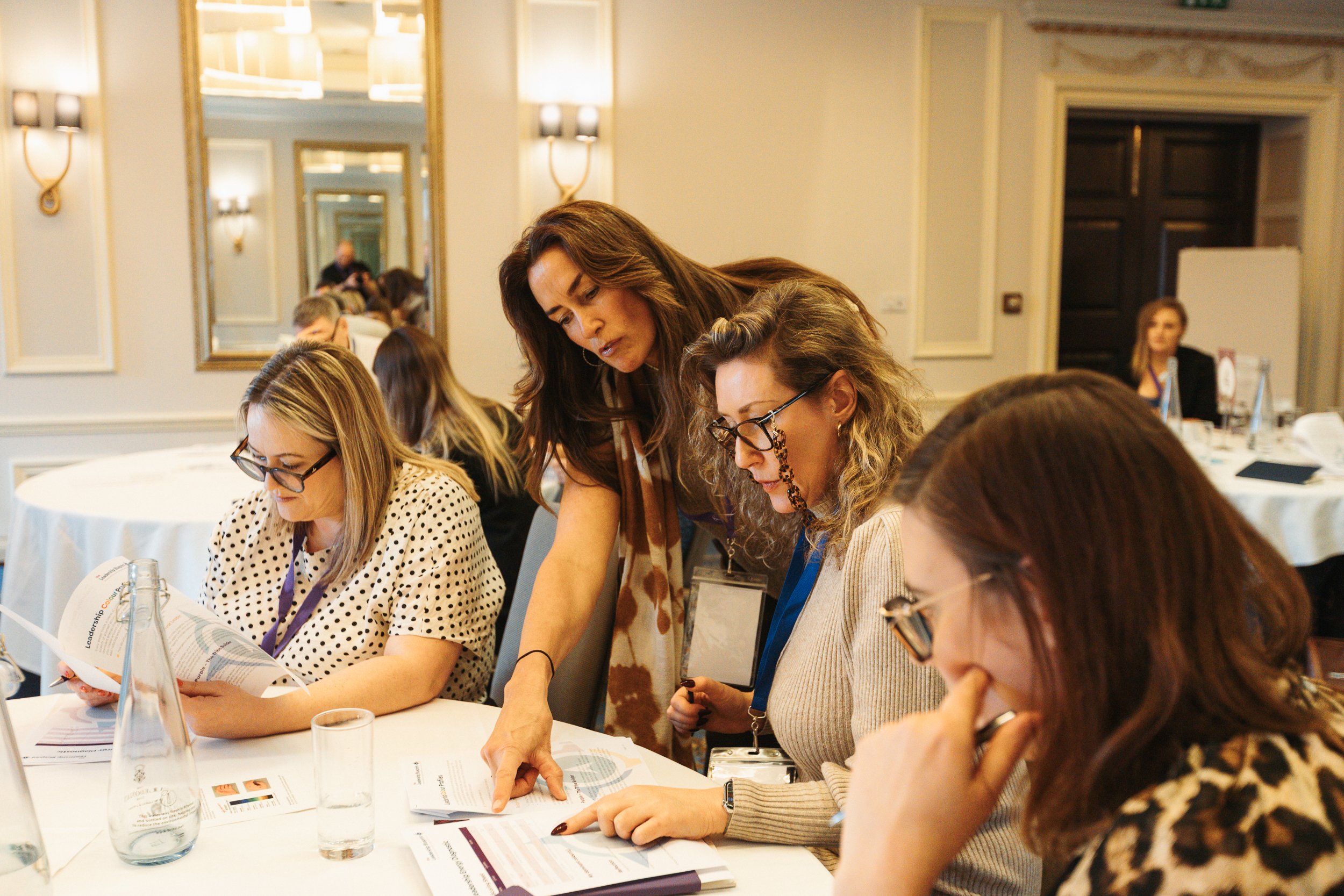
On Tuesday 20 January 2026, the first cohort of The Leadership Blueprint met at the Caledonian Club in Belgravia, London. The group included chief executives, directors & senior managers from membership bodies, professional associations & charities.
Module 1, The Leadership Mindset: Executive Diagnostic & Roadmap, had one job: to help each leader see clearly where they and their organisation stand, before the programme asks them to change anything.
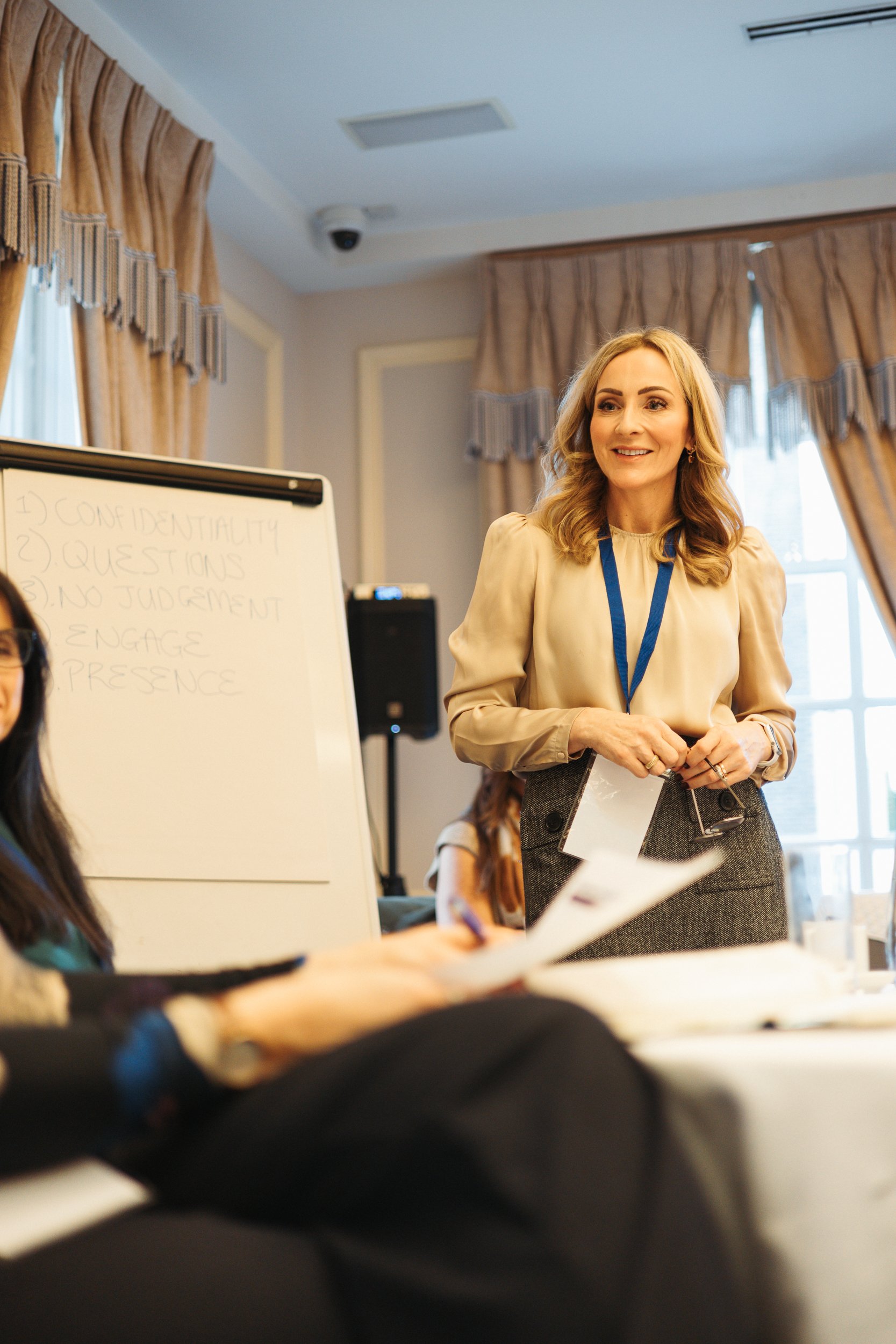
The day was led by our three facilitators: Jenny Watkins of Intercloud9, Lara Williams of Momentum4 & Lisa Goldsmith of LJ Digital.
 (full-size photo)
Starting with energy, not strategy
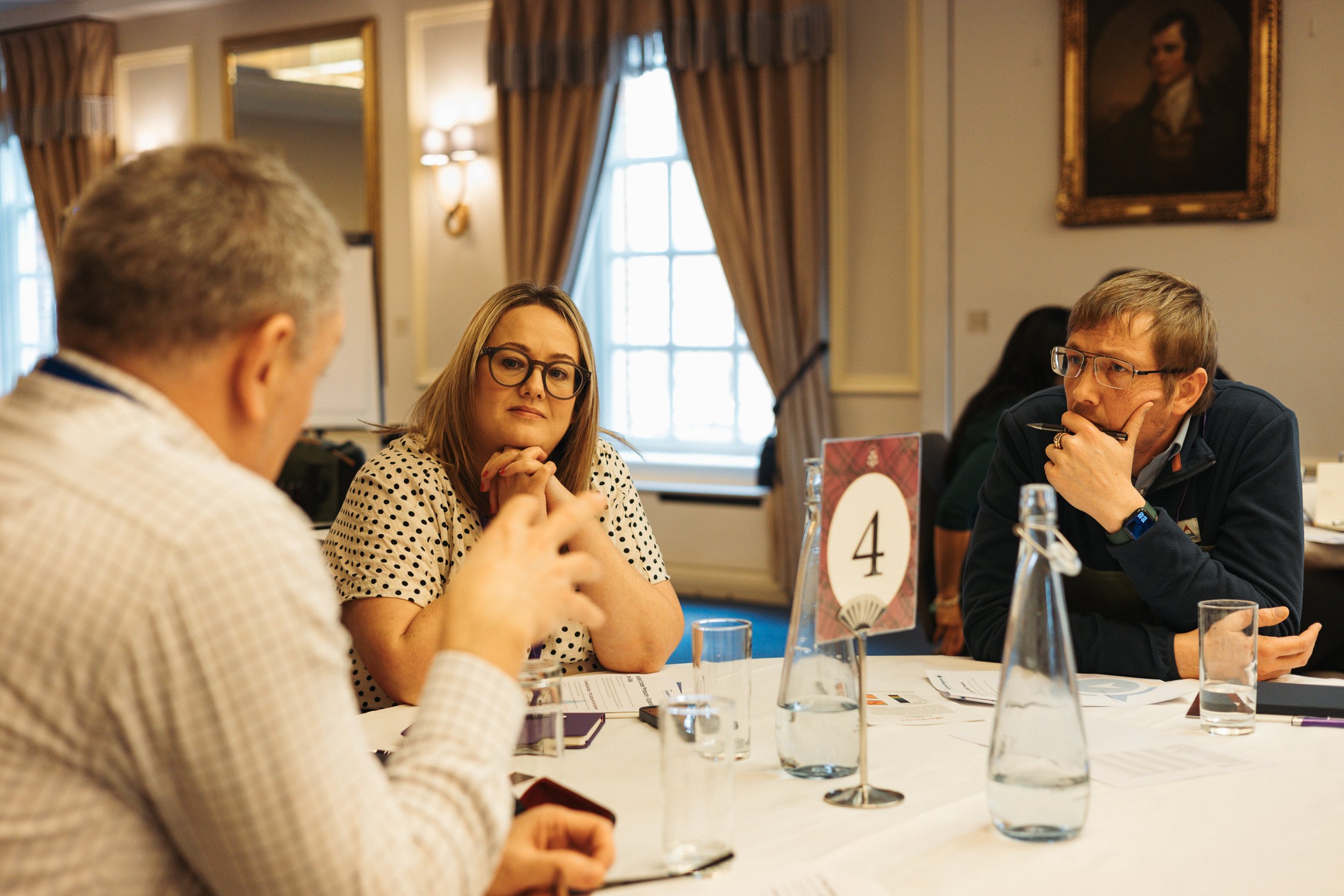
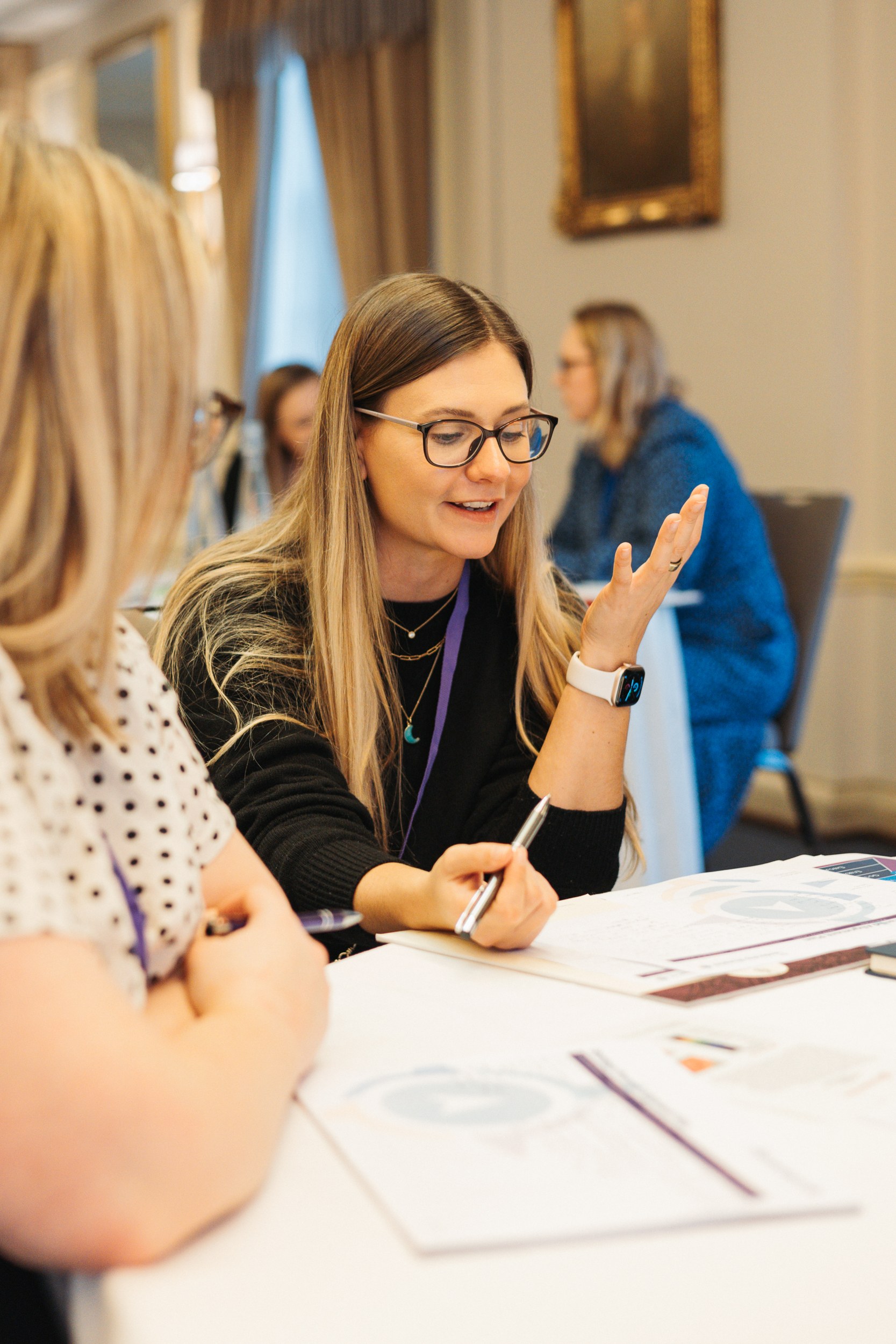
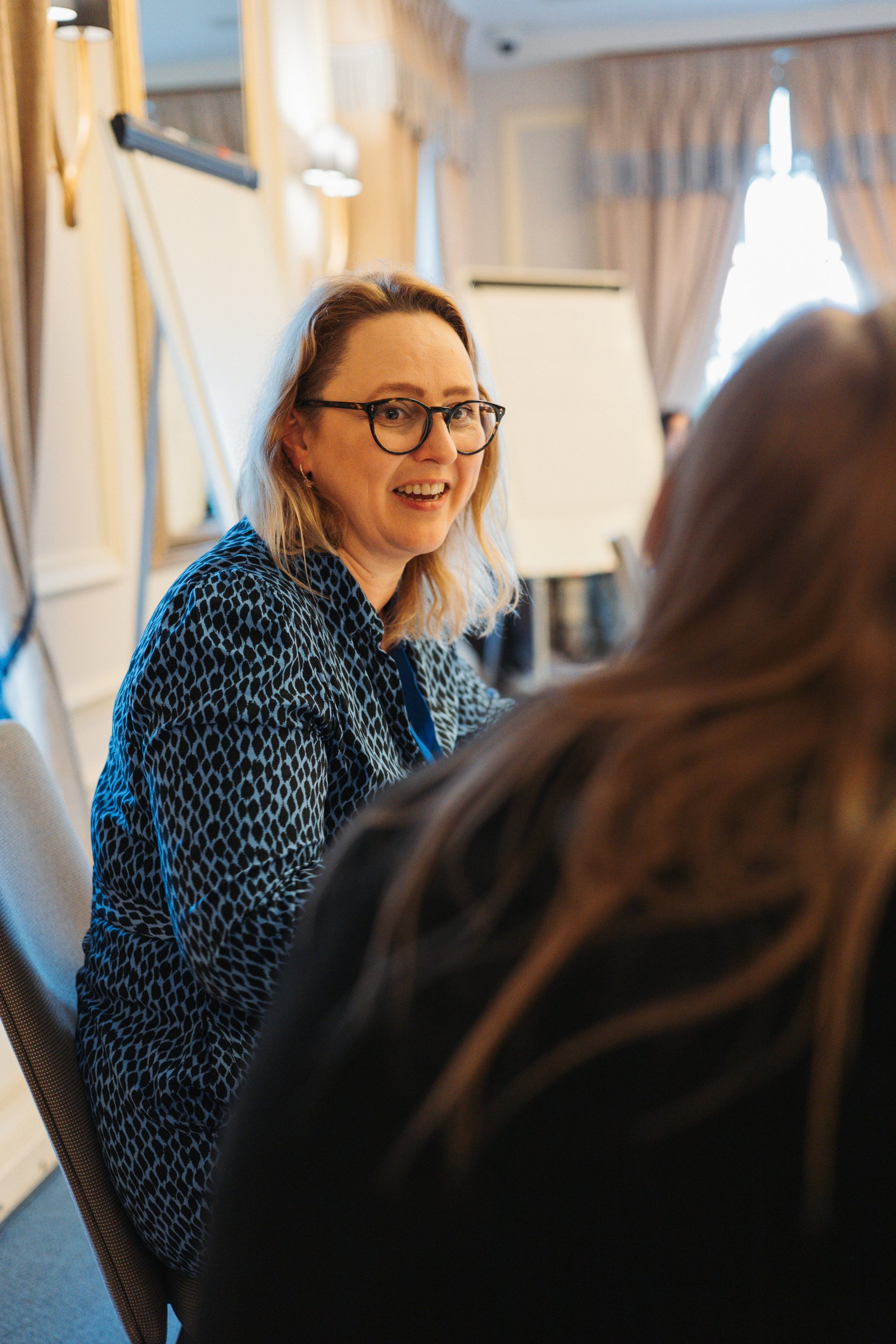
The morning started with the leaders themselves. Each delegate scored their own energy on arrival. The Leadership Energy Diagnostic, 40 statements rated one to five, then showed each person their natural leadership energy and how it lands on the people around them.
 (full-size photo)
From there the group looked at what happens under pressure. The Stimulus–Gap–Response model, drawn from Viktor Frankl, describes the gap between something happening and how we react to it. Under sustained pressure that gap closes, and habit replaces choice. Widening it again is one of the most practical things a leader can do.
A "grey box" time audit made the same point about attention. Delegates looked at where their hours actually go, and how much of that busy work has little to do with leadership.
 (full-size photo)
 (full-size photo)
Leadership style & organisational culture
Before lunch, delegates built a Personal Leadership Vision: how they lead at their best, the values they hold on to under pressure & their own leadership signature.
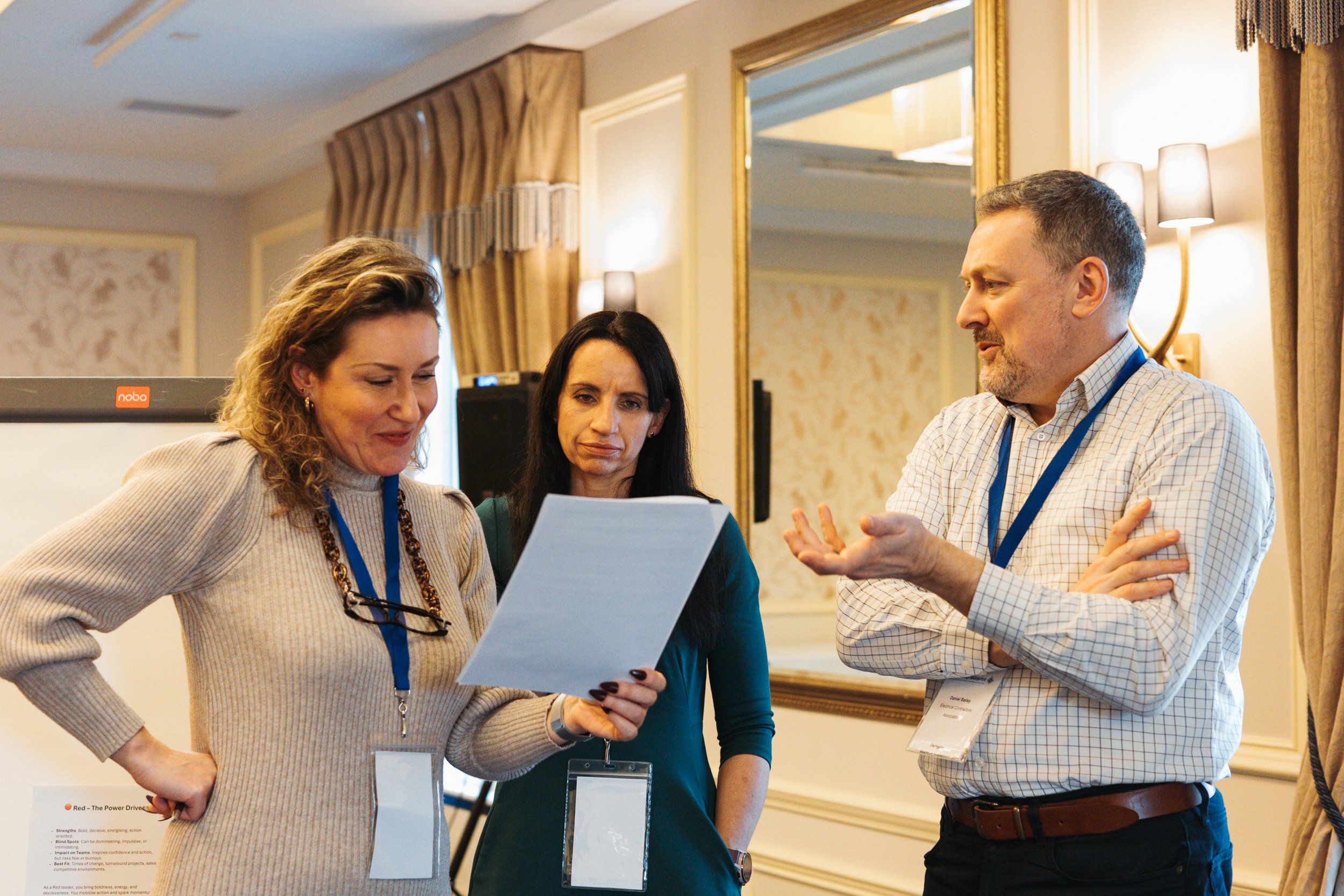
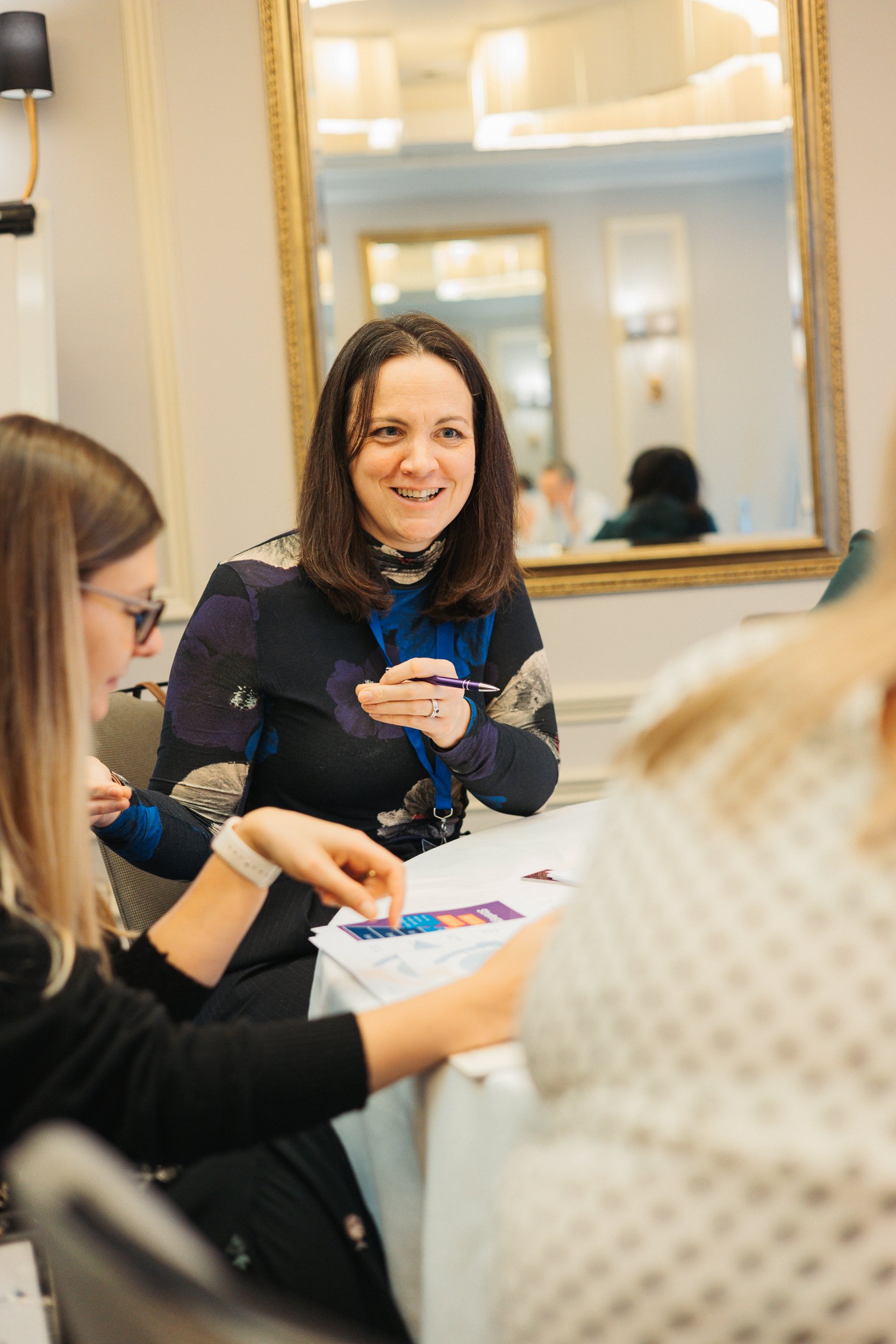
They then profiled themselves against a colour framework of leadership styles and did the same for their organisation's culture. Seeing where the two are out of step, and how to flex your own style to shape the culture, was one of the moments delegates talked about most. Gail Emerson of R3 Association of Business Recovery Professionals called comparing thinking styles with others "very validating".
 (full-size photo)
 (full-size photo)
From symptoms to root causes
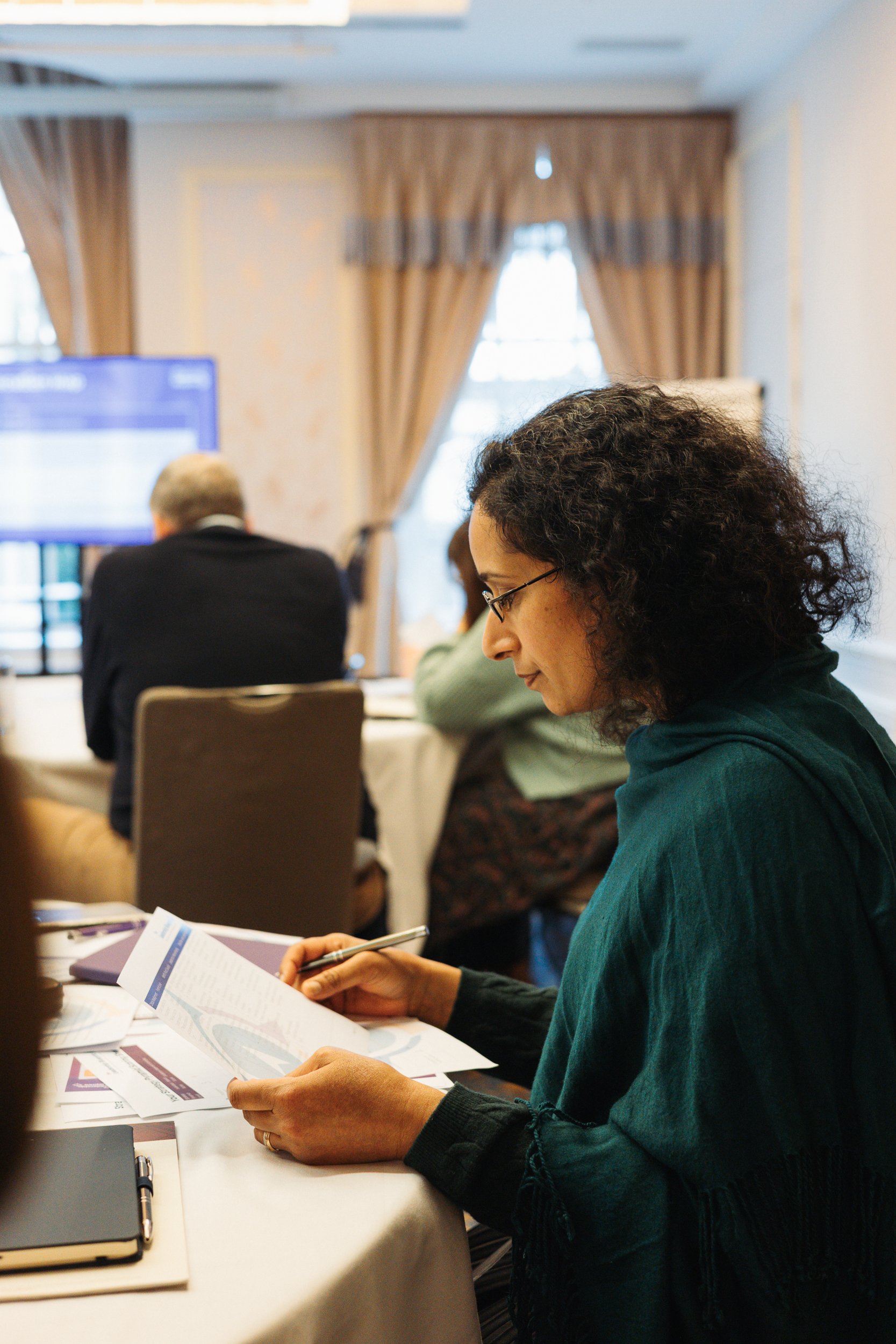
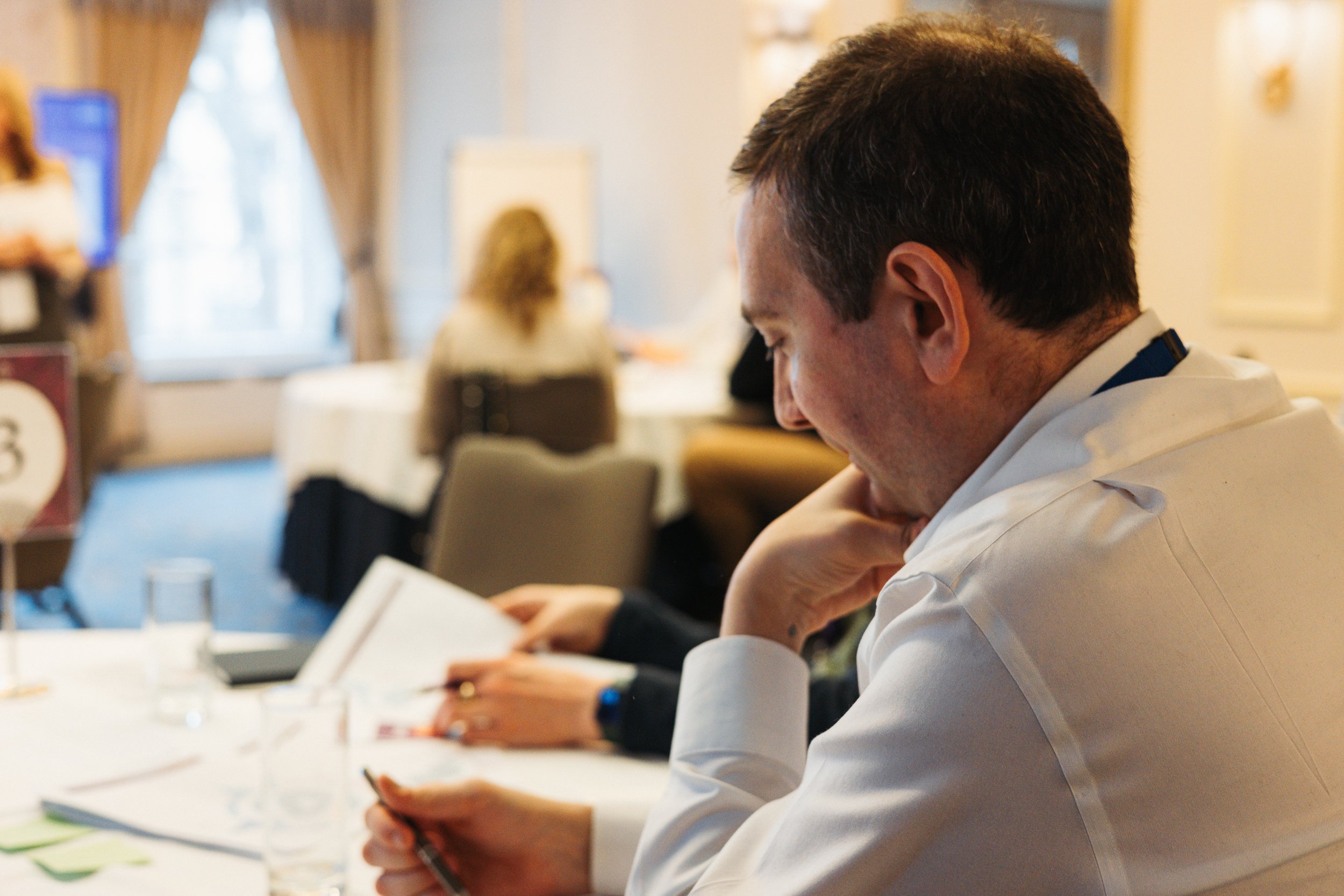
The afternoon turned to the organisation. With the Organisational Challenges Map, delegates separated symptoms from root causes across people, processes, technology, partnerships & performance.
 (full-size photo)
 (full-size photo)
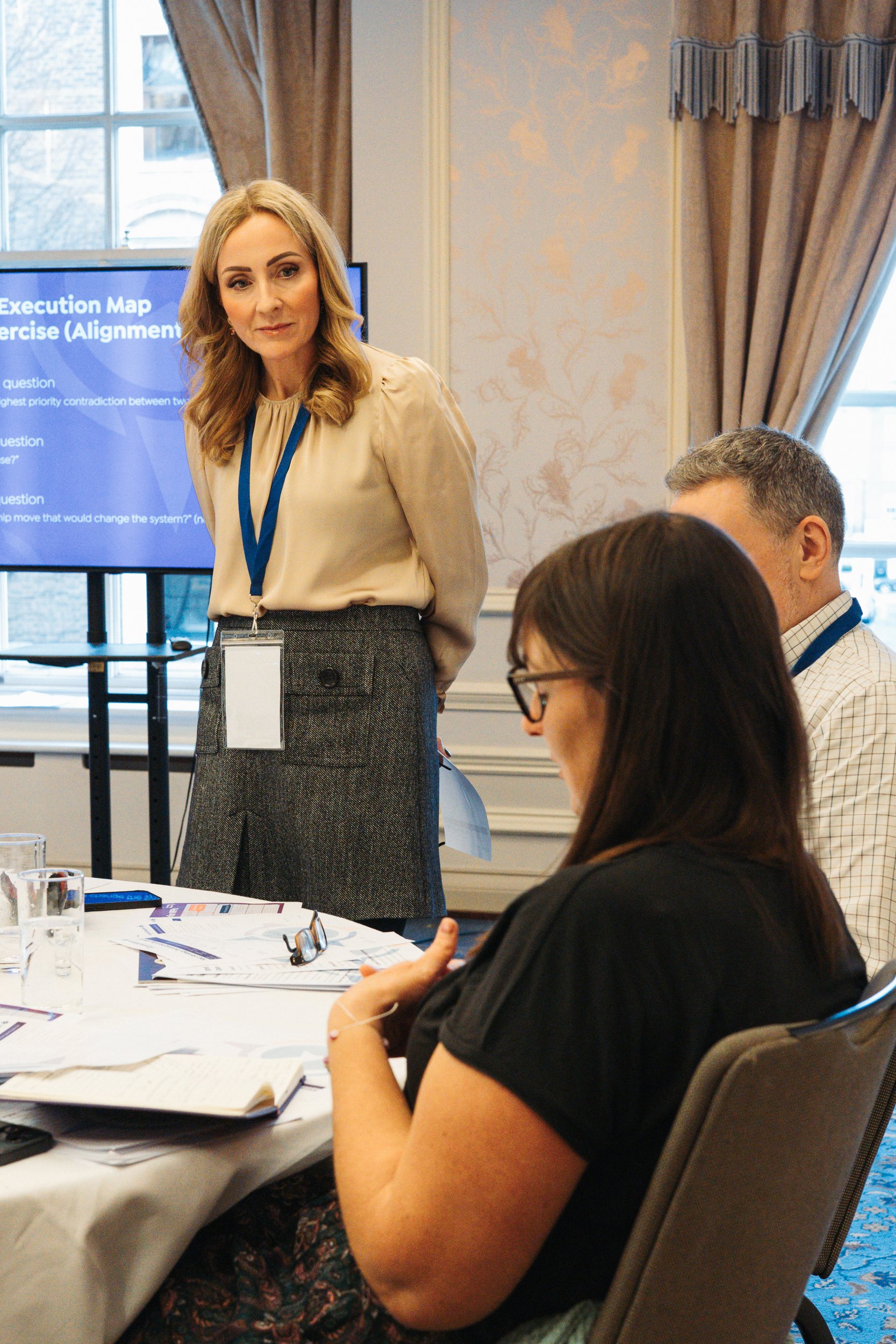
Next came the Strategy Pyramid, which runs in six levels from purpose down to execution. Delegates scored each level twice: once for what their board believes, and once for what is really true. The pyramid is a chain of dependency. If purpose is fuzzy, everything below it wobbles, and misalignment usually turns out to be a problem with how the system is designed rather than with anyone's motivation.
 (full-size photo)
A roadmap, not just another good workshop
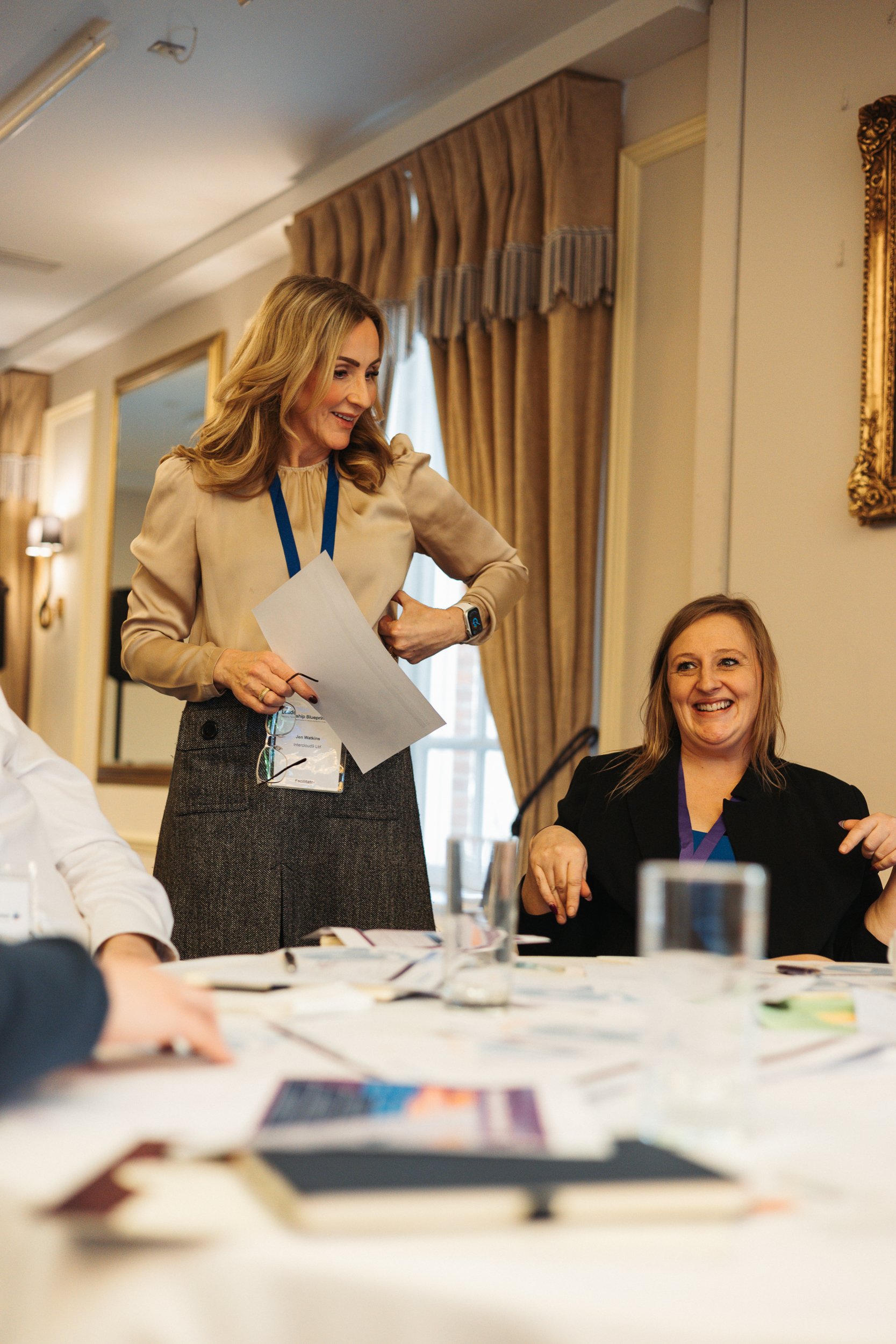
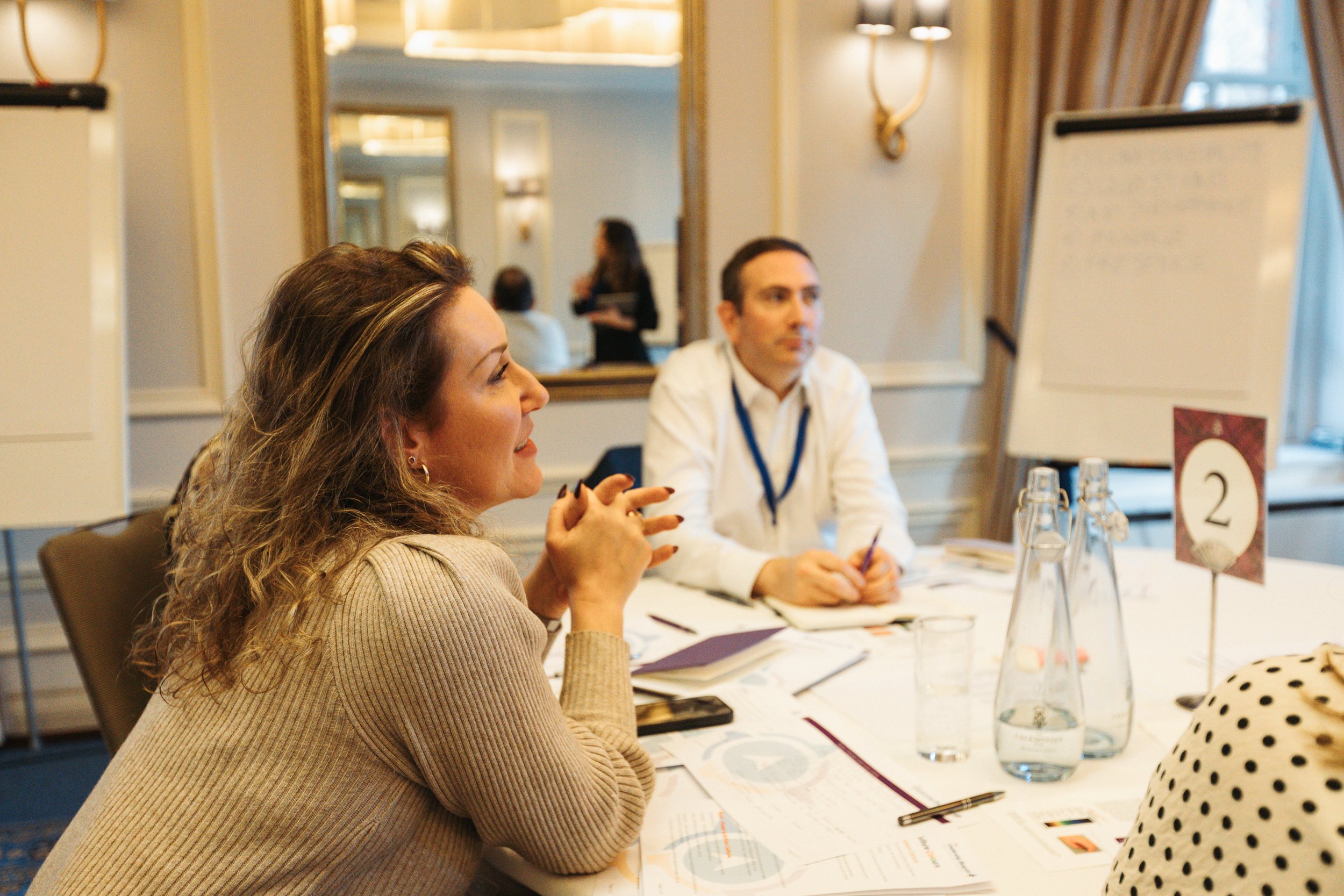
Clarity without follow-through is just another good workshop, so the day closed with action. Each delegate drew up a Leadership Roadmap with a through-line challenge for the year and their first 90-day moves, and made a personal Leadership Pledge. Jenny then showed how Modules 2, 3 & 4 would build on that roadmap.
 (full-size photo)
 (full-size photo)
What the cohort said
We filmed short interviews with delegates during the day, including Chris Weavers of NASUWT, Ash Merrifield of EACTS, Dina Almuli of the British Society for Haematology, Gail Emerson of R3 Association of Business Recovery Professionals, Farah Nazeer of Women's Aid, Daniel Bailey of the ECA & Kayleigh Mapstone of British Mensa. A few themes came up again and again:
- They are not alone. The challenges each leader brought turned out to be common across the sector, which means leaders can learn from each other, as Chris Weavers of NASUWT put it.
- Time to step out of the day-to-day. A day away from the operational grind gave delegates room to think and reflect.
- Honesty. Farah Nazeer of Women's Aid described "incredible energy and incredible honesty" in the room: uncomfortable at times, and all the better for it.
- Something to act on. Delegates left with a toolkit and a plan. Ash Merrifield of EACTS will use it to break challenges down step by step.
You can watch the videos from the day on The Leadership Blueprint YouTube channel.
Thank you
Thank you to the 2026 cohort, and to everyone who made the day happen:
- Jenny Watkins, Intercloud9, facilitator
- Lara Williams, Momentum4, facilitator
- Lisa Goldsmith, LJ Digital, facilitator
- The Caledonian Club, our venue
- Clarity Video, who produced the 2026 cohort's videos and photos
What came next
Module 1 set the baseline. Module 2 in March turned that roadmap into a commercial and governance strategy.
The 2027 cohort starts with this same module on 13 May 2027. If you would like to step back, see your organisation clearly & leave with a plan, book your place.
Photos
Booking is open for the 2027 cohort, which starts on 13 May 2027.
Book your place