

Module 4 with the 2026 cohort: culture, neuroinclusion, systems & succession
13 October 2026 · The Leadership Blueprint · 4 min read
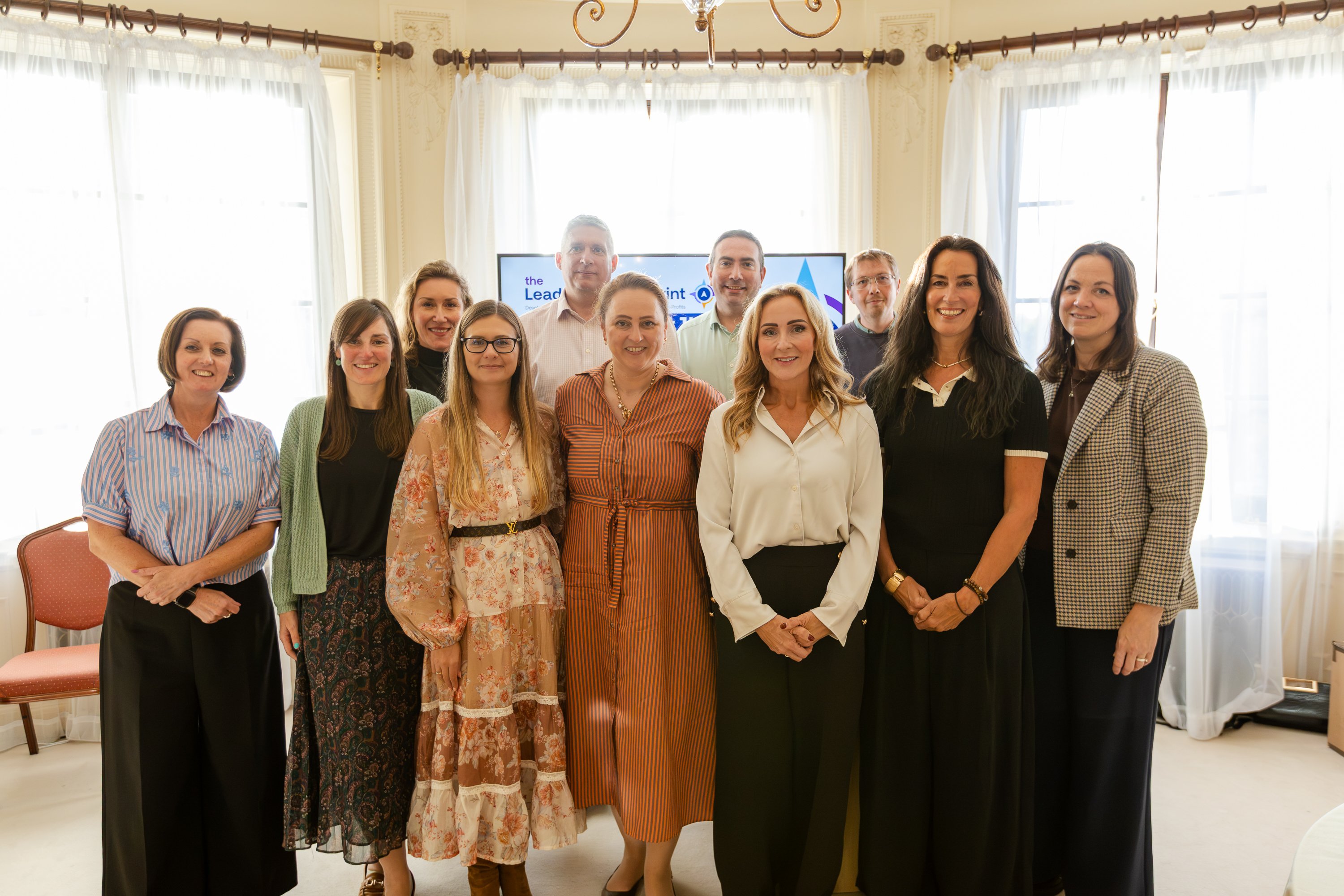 The photo at full size
Making it last
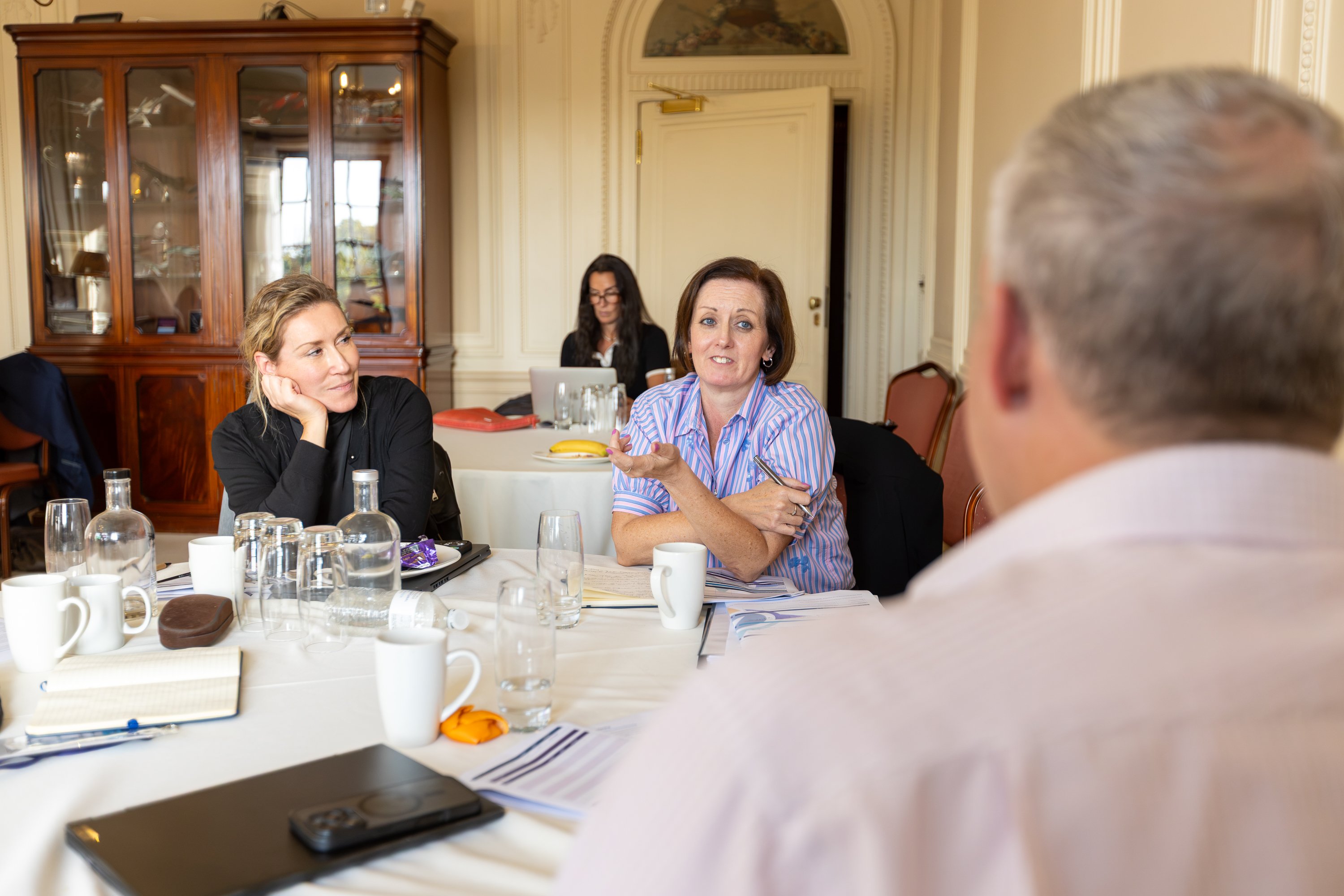
Transformation means nothing if it does not last. On Tuesday 13 October 2026 the 2026 cohort returned to No. 4 Hamilton Place for their final module, Culture, Talent & Systems Leadership. The day was led by Jenny Watkins of Intercloud9 and ended with the cohort's graduation.
 (full-size photo)
A culture you can measure
Culture is what happens when you are not in the room. It is made of behaviours, not values statements, and that means it can be measured.
 (full-size photo)
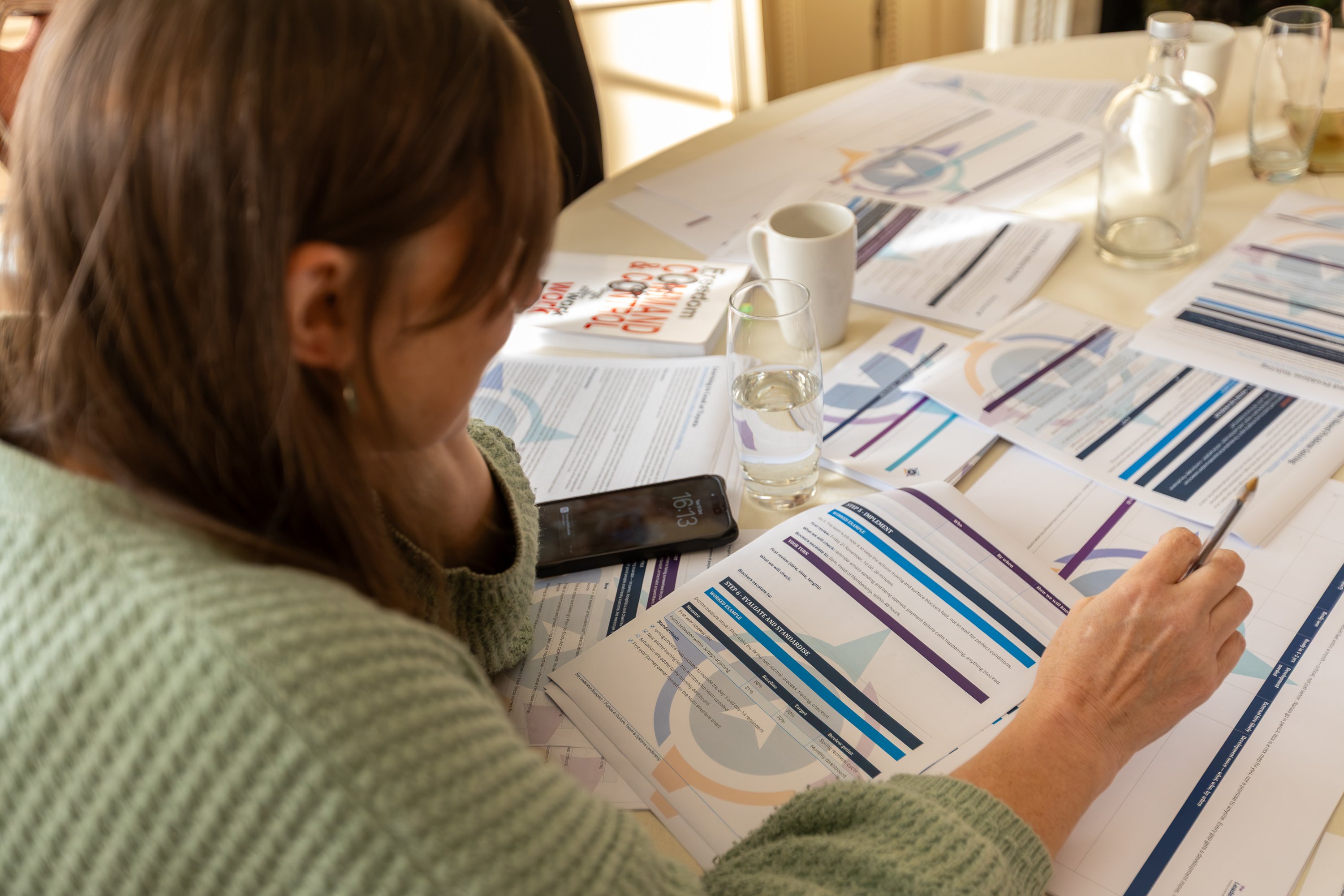
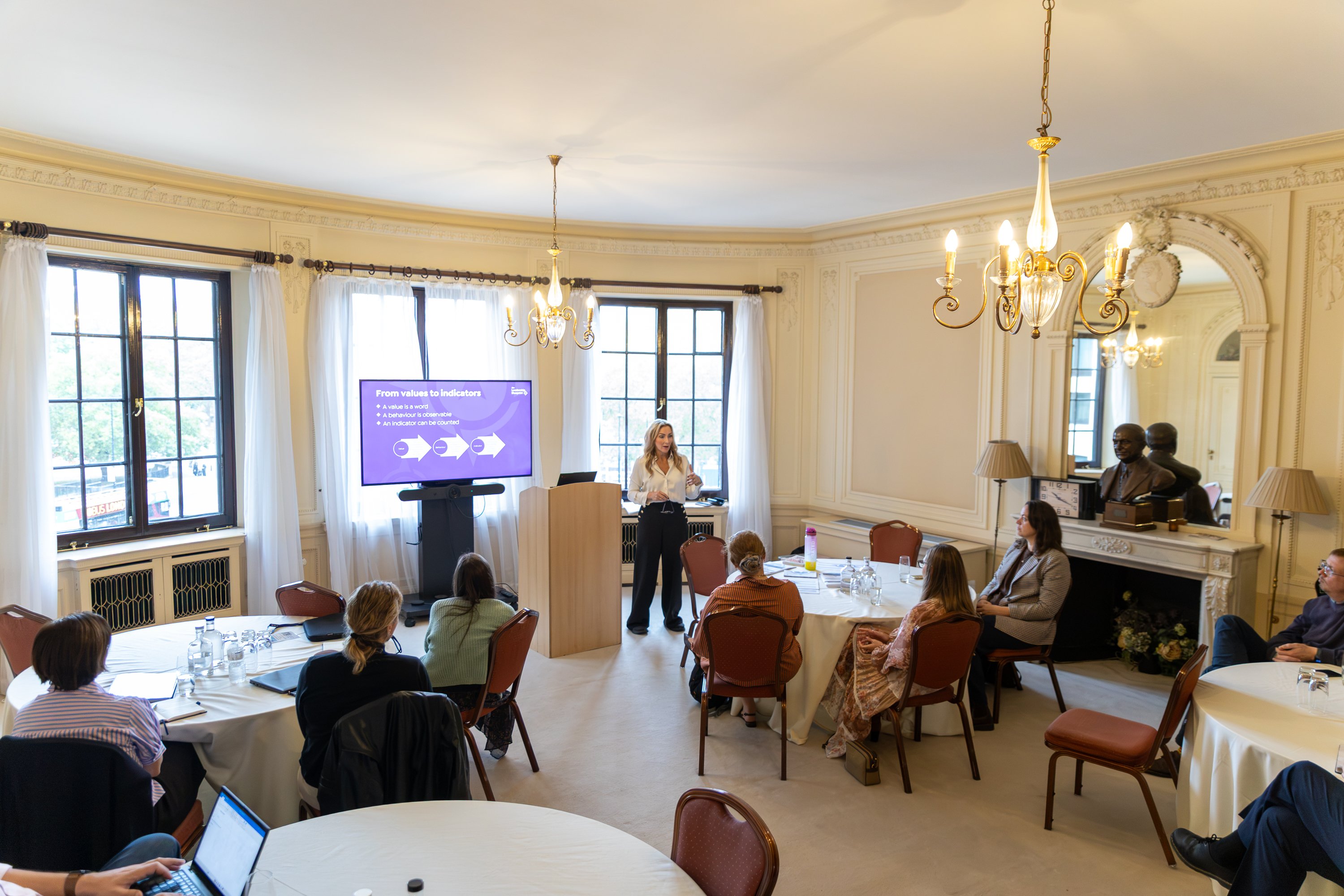
The morning's Culture Blueprint took each delegate from the culture their organisation has today to the culture it needs. They described the behaviours they would expect to see and the indicators that would show it was working, and checked each one against the 3C model from Module 3.
 (full-size photo)
Leading beyond the default settings
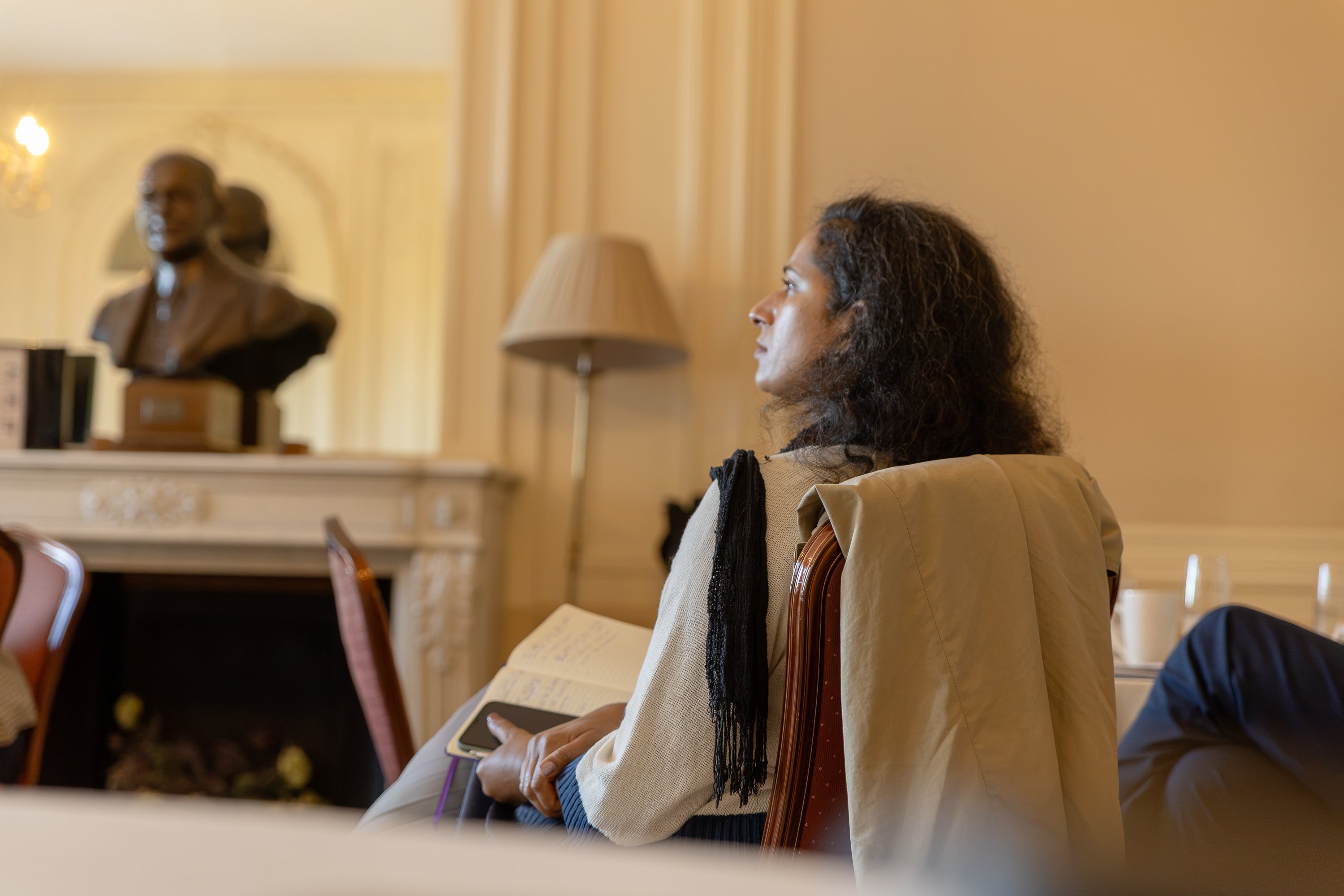
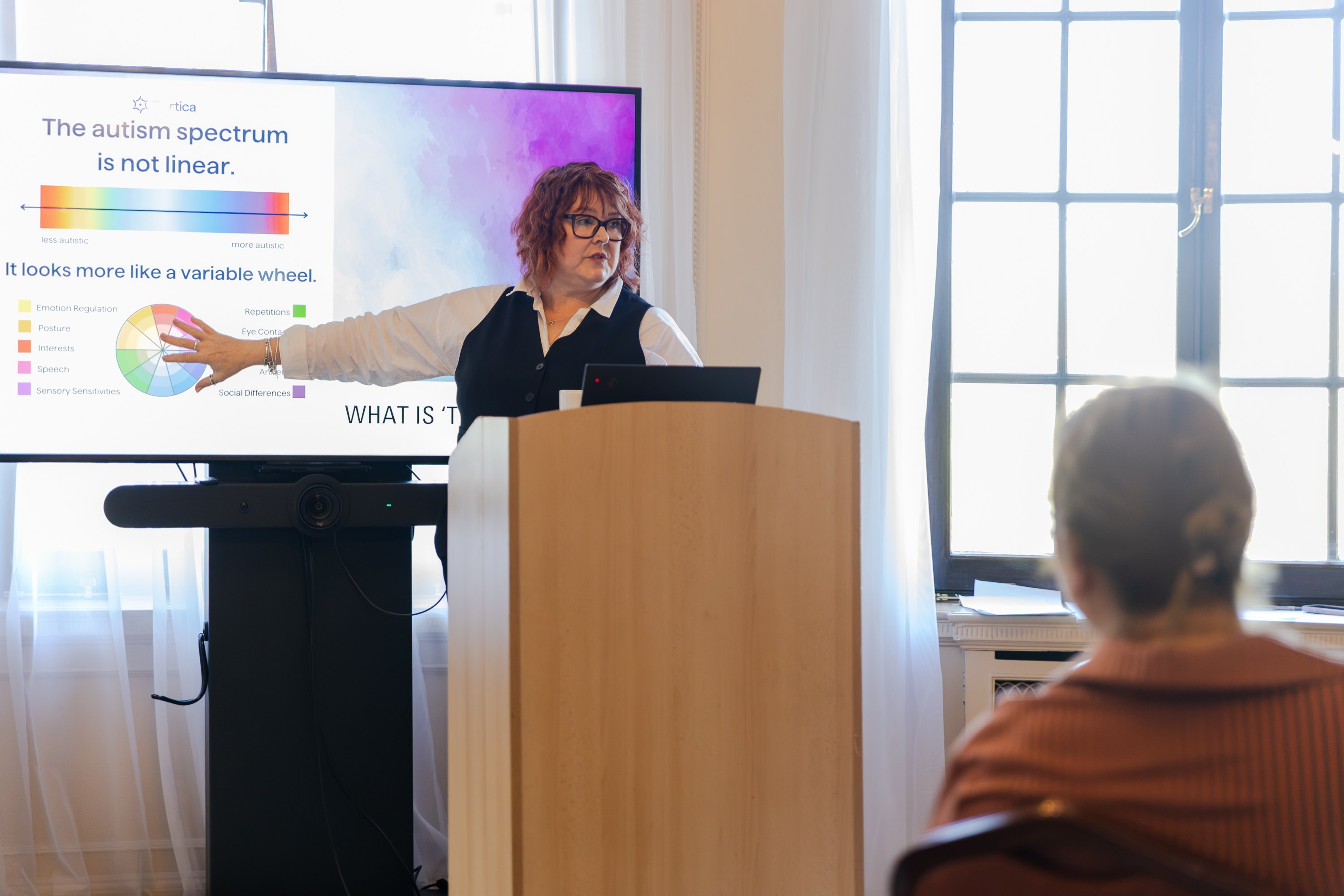
Our guest speaker was Tree Hall, CEO of Charity IT Leaders and one of Computing's IT Leaders for 2026. Tree spoke about neurodiversity at work: the language we use, workplace adjustments, neuroinclusive recruitment & the contribution that conventional ways of managing people miss.
 (full-size photo)
Asked for the one thing a leader could do this month to support neurodivergent colleagues, Tree's answer was to "lead with vulnerability and compassion".
 (full-size photo)
The organisation as a system
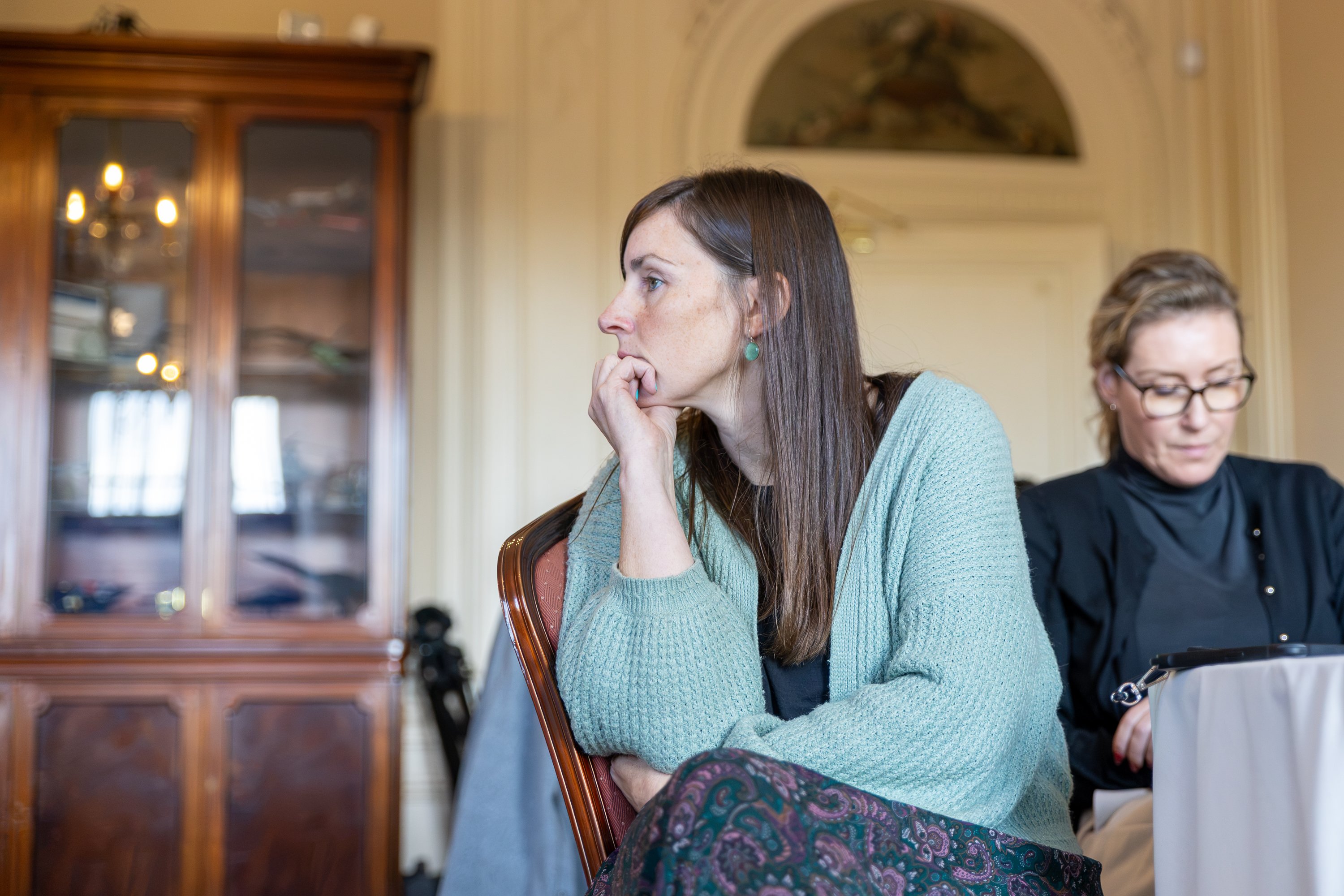
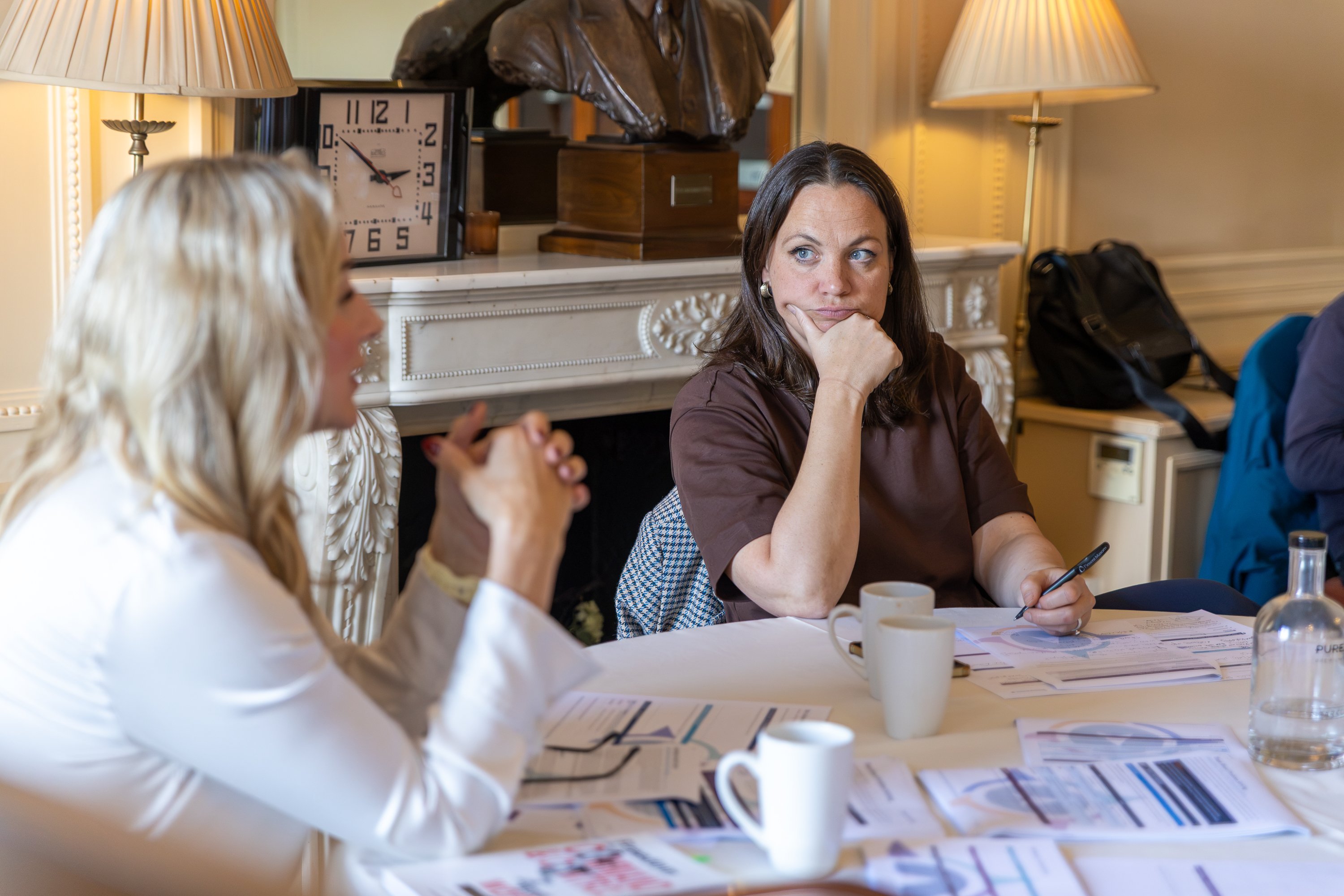
After lunch the cohort looked at their organisations as systems, drawing on W. Edwards Deming and John Seddon. Most performance problems come from the system rather than the people in it, and a bad system will beat a good person every time. Many problems live in the joins between departments, and much of the work that fills a team's day is failure demand: work caused by something not being done right the first time.
 (full-size photo)
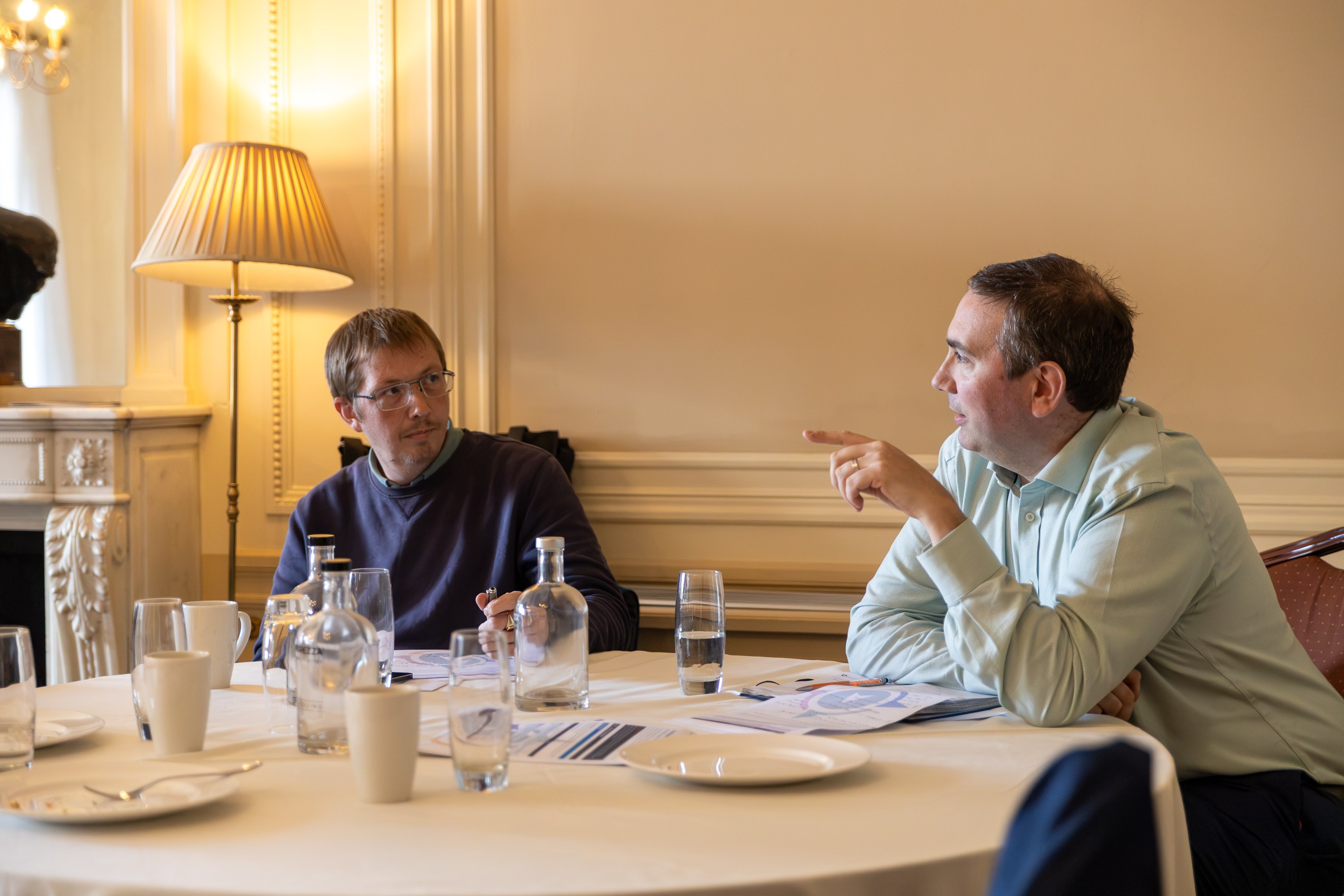
A case study on how Toyota develops its leaders led into a live workshop on team-based problem solving. In six steps, teams defined a problem precisely (what it is, and what it is not), found its root causes with a fishbone diagram and the five whys, weighed solutions by impact and effort, and planned how to implement them and make them standard. It is also the most practical way to build involvement, one of the factors in the energy for change from Module 3.
 (full-size photo)
 (full-size photo)
Succession & talent
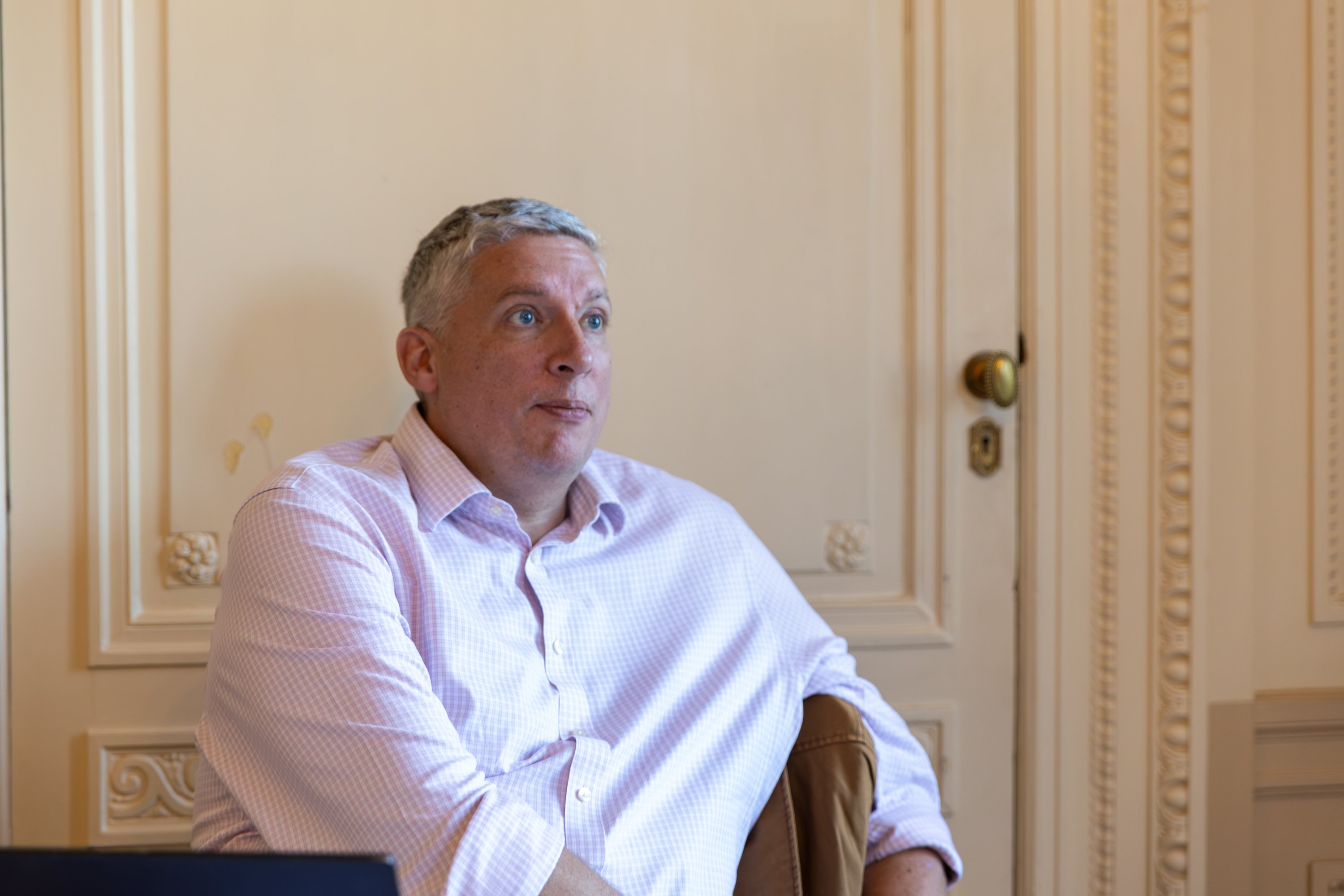
The last session asked a blunt question: if a key person were hit by a bus tomorrow, what would happen? Succession is about how resilient the system is, not about planning for one person.
 (full-size photo)
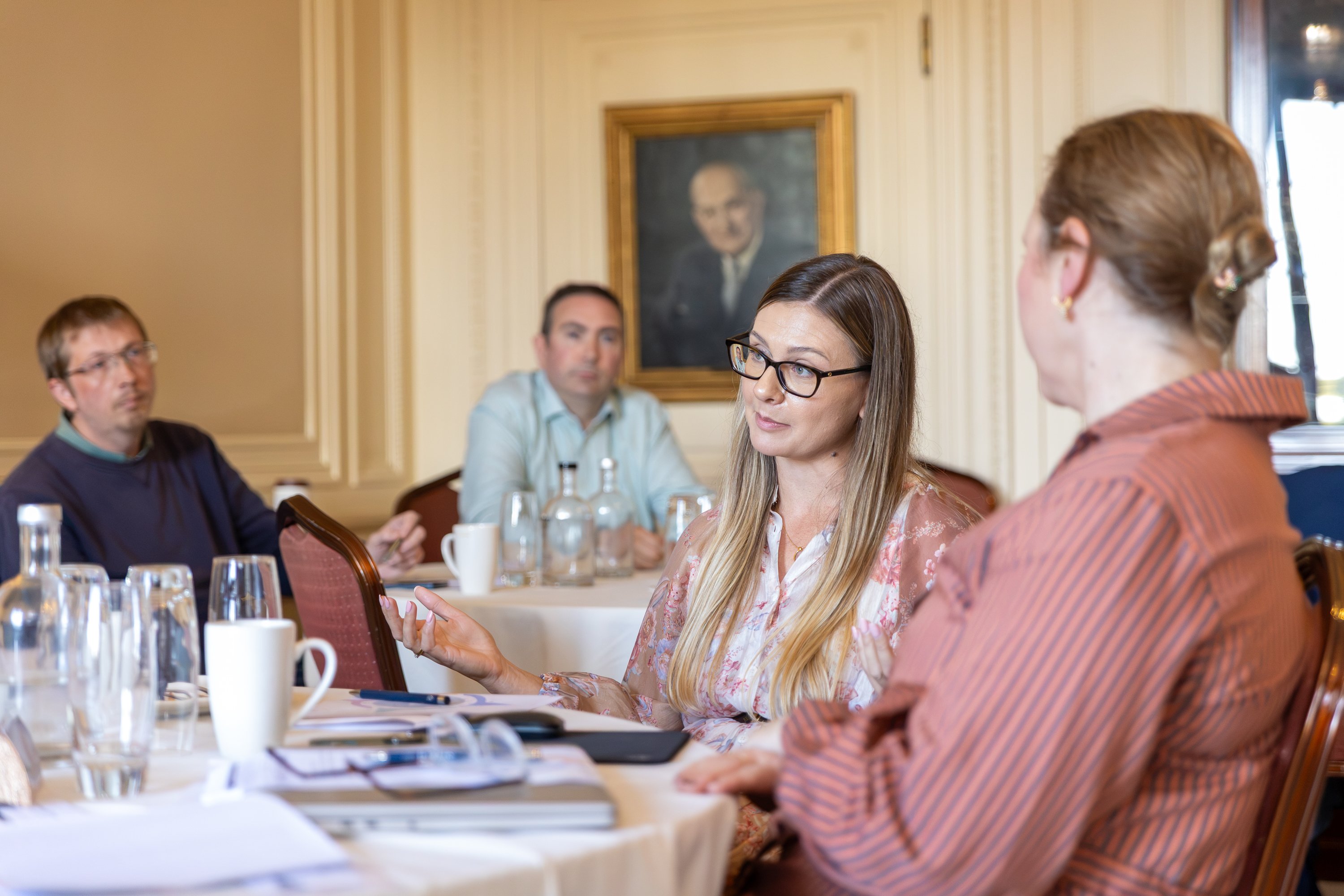
Delegates mapped five critical roles and how ready someone was to step into each, with names written in pencil. They also looked at what motivates people once pay is taken care of: mastery, purpose & a sense of progress.
 (full-size photo)
 (full-size photo)
Commitments & graduation
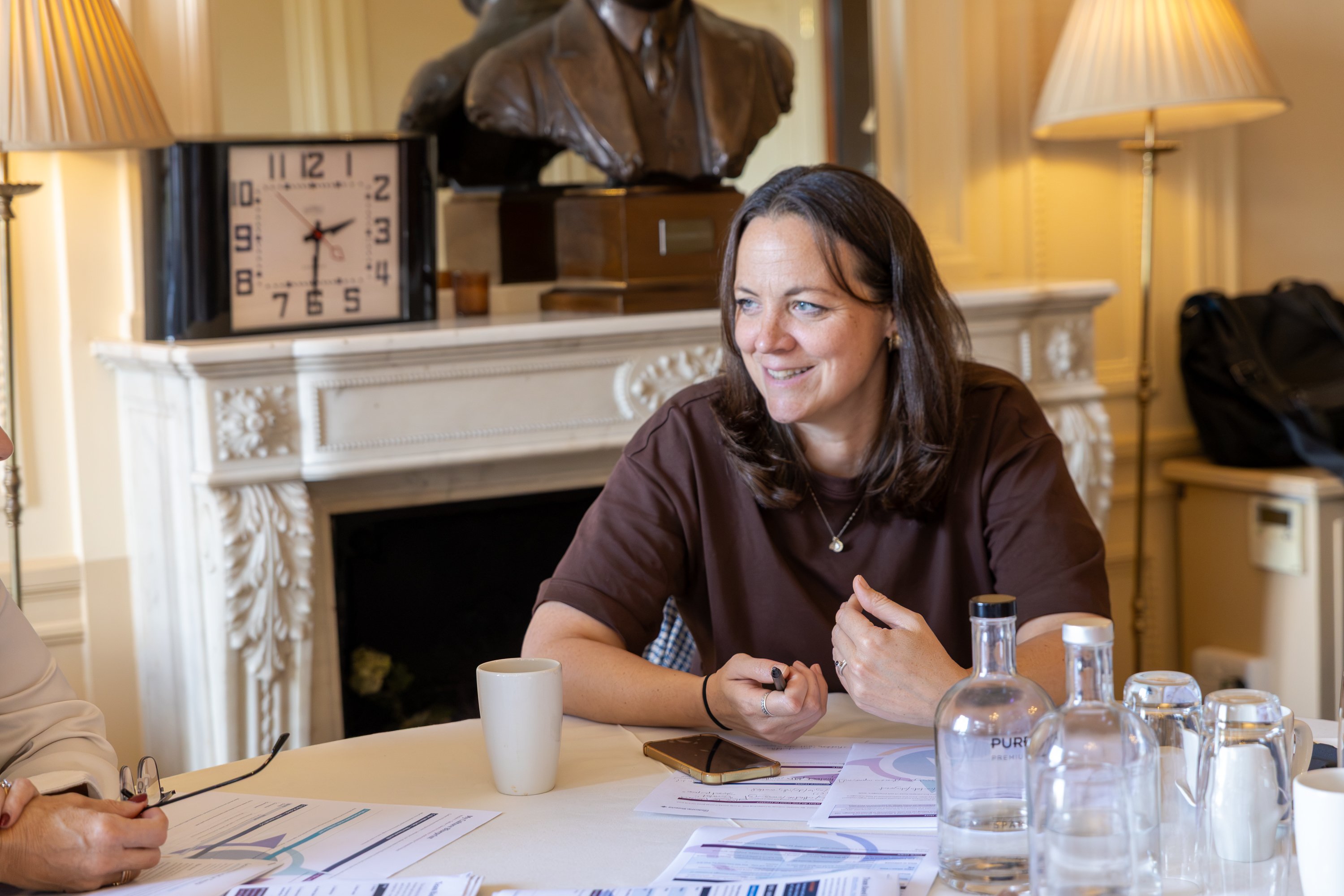
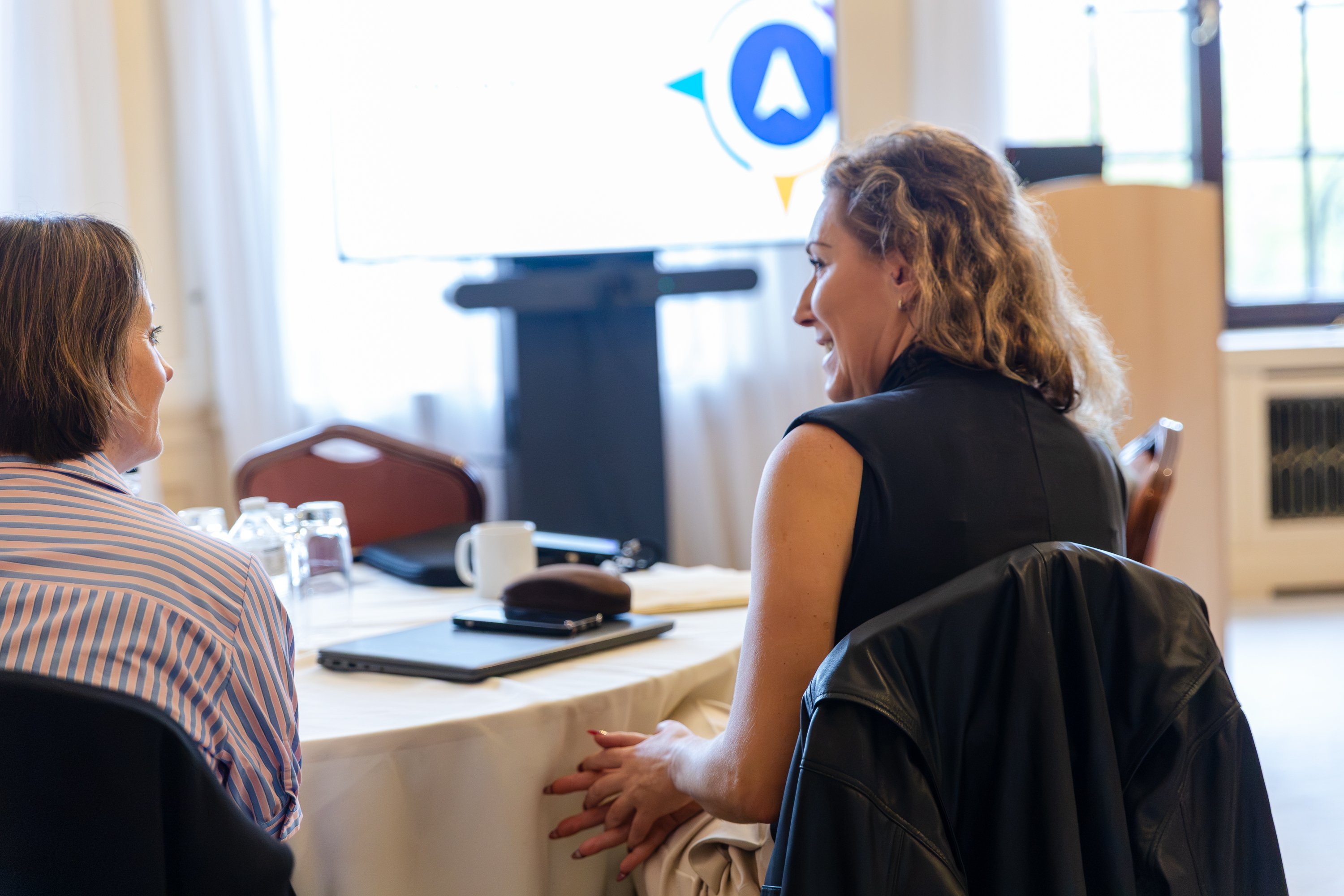
The day ended as the programme began, with commitments. Each delegate wrote commitment cards for what they would do next, the cohort completed the programme evaluation, and the alumni network was launched.
 (full-size photo)
 (full-size photo)
Then came the graduation. Read about the 2026 cohort's graduation, and watch Tree's interview and the delegates' reflections on The Leadership Blueprint YouTube channel.
For the 2027 cohort, Module 4 runs on 27 January 2028. Book your place on the full programme or on this module alone.
Thank you
Thank you to the 2026 cohort, and to everyone who made the day happen:
- Jenny Watkins, Intercloud9, facilitator
- Tree Hall, Charity IT Leaders, guest speaker
- No. 4 Hamilton Place, home of the Royal Aeronautical Society, our venue
- Clarity Video, who produced the 2026 cohort's videos and photos
Photos
Booking is open for the 2027 cohort, which starts on 13 May 2027.
Book your place